A long motorcycle ride should be about the journey, not a sore neck, sweaty head, or noisy helmet. The wrong helmet can make even a short highway trip tiring. On a full-day ride, these small problems can become hard to ignore.
So, how do you choose the best touring helmet for your next trip?
The right helmet should offer reliable protection, a secure fit, good ventilation, clear vision, and comfort over long hours. It should also suit your motorcycle, riding style, and budget.
In this guide, we explain how to choose the best helmet for touring in India, compare helmet types, and outline what to look for before you buy.
Best Touring Helmets in India at a Glance
The best motorcycle helmet for touring depends on your head shape, riding conditions, and budget. Before choosing a specific model, compare its fit, safety certification, weight, ventilation, and visor features.
| Helmet type | Best suited for | What to consider |
| Full-face touring helmet | Long highway rides and daily touring | Fit, weight, airflow, and visor quality |
| Modular touring helmet | Riders who value convenience at stops | Weight, chin-bar design, and certification |
| Adventure touring helmet | Mixed highway and rough-road trips | Peak design, airflow, and wind resistance |
| Sport or superbike helmet | Sporty riding positions and road use | Aerodynamics, fit, and intended riding conditions |
| Budget full-face helmet | Riders with a limited budget | Genuine certification, comfort, and build quality |
These categories are a starting point, not a tested product ranking. Always verify the specifications and certification of the exact model before buying.
1. What Features Should You Look for in a Touring Helmet?
Imagine riding for six hours through hot afternoons, heavy traffic, and sudden rain. Your helmet needs to do more than protect your head. It should also help you stay comfortable and maintain clear vision.
Here are the features that matter most when choosing the best touring helmet.
Safety and a secure fit
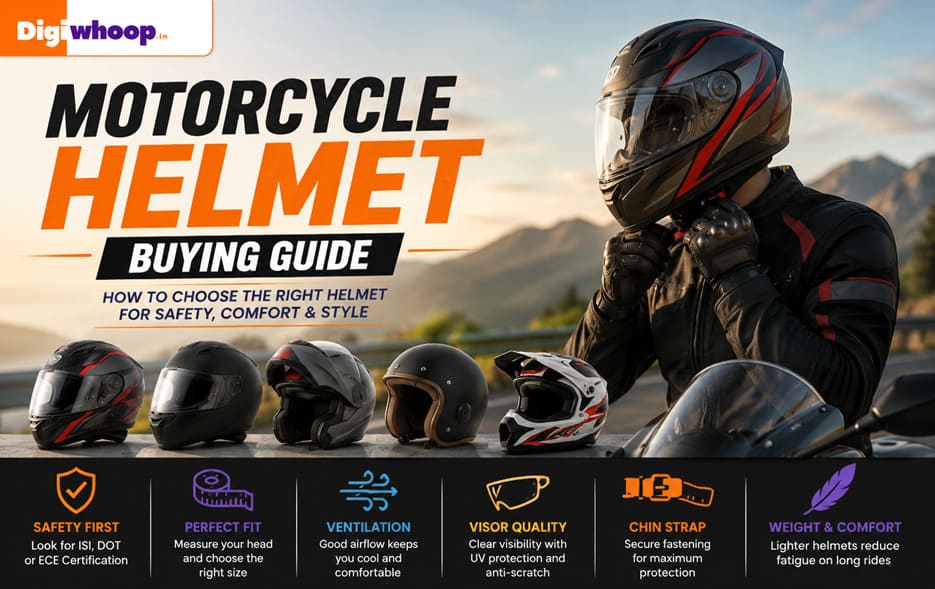
Safety should always come first. In India, look for a genuine BIS-certified motorcycle helmet that meets the applicable Indian standard, IS 4151. Check the required ISI mark and verify the manufacturer’s details.
Some helmets also carry ECE certification. If you want ECE 22.06, confirm that the exact model and variant have the claimed approval.
A certified helmet must also fit correctly. Measure your head, check the manufacturer’s size chart, and make sure the helmet feels snug without causing sharp pressure points.
Weight and long-ride comfort
A heavy or poorly balanced helmet can increase neck fatigue during long rides. If comfort is your priority, compare the weight of different models in your size.
A best lightweight helmet for long-distance touring should combine manageable weight with a secure fit and suitable protection. Do not choose by weight alone. Shell design, padding, and balance also affect comfort.
Ventilation for Indian weather
Hot weather and slow traffic can make touring uncomfortable. Look for adjustable air vents, breathable padding, and removable liners.
If you want the best touring helmet with good ventilation, check how the vents are positioned and whether the liner is easy to clean. Remember that airflow varies with speed, weather, and riding position.
Wind noise and highway stability
Wind noise can become tiring over several hours. A well-shaped helmet may help reduce noise and buffeting, but the result also depends on your height, motorcycle, and windscreen.
For the best motorcycle helmet for highway riding, look for a stable design, a secure visor seal, and a comfortable fit at your usual riding speed. Try the helmet with your normal riding posture when possible.
Visor and anti-fog features
A clear, wide field of view helps you react to traffic and road hazards. A compatible anti-fog insert can also help in humid or rainy weather.
Check whether the insert comes with the helmet or costs extra. Also, make sure replacement visors are available.
2. What Type of Helmet Is Best for Long-Distance Motorcycle Touring?
There is no single design that suits every rider. The best choice depends on where you ride, how long you ride, and how much convenience you need.
Full-face helmet: Best for most highway riders
A full-face helmet has a fixed chin bar and covers the head and chin area. For riders who spend most of their time on paved roads, it is a sensible starting point.
Why is a full-face helmet better for highway touring?
It provides coverage around the chin and jaw area, helps shield your face from wind and road debris, and comes in a wide range of designs and prices.
A well-fitted full-face model can be a strong choice for daily commuting, weekend trips, and long-distance rides.
Adventure touring helmet: Best for mixed terrain
Adventure helmets often feature a peak and a design intended for mixed road conditions. Some models also offer wider openings for goggles.
Who should choose an adventure touring helmet?
Choose one if your trips include highways, gravel roads, mountain routes, and light off-road sections.
If you are looking for the best adventure helmet, compare its fit, weight, ventilation, and intended use. A peak can catch the wind at higher speeds, so check how the helmet behaves in your riding position.
The terms best ADV helmet and best adventure touring helmet in India often refer to similar options, but designs can vary. Some are built mainly for road use, while others are better suited to mixed terrain.
Modular helmet: Best for convenience
A modular helmet has a movable chin section. It can be handy during fuel stops, meal breaks, and conversations.
However, modular designs can be heavier than comparable full-face models. Check the exact certification and follow the manufacturer’s instructions for using the chin bar. Never assume you can ride safely with it raised.
Superbike helmet: Best for sporty riding
If you ride a sportbike, you may be interested in the best superbike helmet. These helmets often focus on aerodynamic performance and a secure fit for a forward-leaning riding position.
However, a track-focused design is not automatically the best choice for touring. Check comfort, ventilation, visor features, and suitability for your normal riding posture.
For most riders who mainly travel on paved highways, a comfortable full-face helmet is a good place to start.
3. How Much Should You Spend on a Touring Motorcycle Helmet?
Your budget helps narrow the options, but spending more does not always mean getting a better fit.
Best touring helmet under ₹3,000
If you are searching for the best helmet for touring under ₹3000, focus on safety certification, fit, and essential features first.
Compare genuine full-face models from established brands. Check the exact variant, ventilation, visor quality, and current price. Avoid choosing an uncertified helmet simply because it looks sporty.
Best touring helmet under ₹5,000 in India
This budget opens up more options for riders seeking an everyday full-face helmet for weekend and highway trips.
When comparing the best touring helmet under ₹5000 in India, pay attention to weight, removable liners, visor options, and spare-part availability.
Explore our guide to best helmets under ₹5,000 in India for more budget-friendly choices.
Touring helmets above ₹5,000
With a higher budget, you may find more options in shell materials, comfort features, visor systems, and design.
If you are considering a premium model, compare its actual benefits instead of paying more for graphics or branding alone. The best helmet for touring in India is the one that meets your needs, fits securely, and offers the right features for your routes.
Prices and availability vary by size, seller, and variant, so check current listings before buying.
4. How to Choose the Best Helmet for Touring
Use this simple checklist before making your final decision.
- Choose your riding style. Decide whether you mainly ride on highways, travel through cities, or explore mixed terrain.
- Check certification. Verify the required Indian certification and any additional claims for the exact model.
- Measure your head. Follow the manufacturer’s size chart rather than guessing your size.
- Compare weight and balance. Choose a helmet that feels stable and comfortable.
- Check airflow and visor features. Consider ventilation, anti-fog compatibility, and replacement visor availability.
- Try the helmet on. It should feel snug without causing sharp pain or moving freely when you turn your head.
- Compare the total value. Consider the price, warranty, spare parts, and return policy.
A helmet that feels comfortable for five minutes may feel different after an hour. If possible, try it on for longer before deciding.
5. Tips for Comfortable Long-Distance Touring
Even the best touring helmet needs proper care.
- Clean the visor: Dust and scratches can reduce visibility, especially at night.
- Manage fogging: Use a compatible anti-fog insert or a product approved by the manufacturer.
- Wash the liner: Follow the care instructions to remove sweat and odour.
- Check the chin strap: Fasten it correctly before every ride.
- Take regular breaks: Stop safely to rest, drink water, and stretch.
- Replace damaged helmets: After a crash or significant impact, follow the manufacturer’s replacement guidance.
These simple habits can make long rides more comfortable and help you keep your helmet in good condition.
Frequently Asked Questions
Which helmet is best for touring in India in 2026?
A well-fitted, certified full-face helmet is a good starting point for most highway riders. Compare current models based on fit, weight, ventilation, visor features, and budget before choosing.
What is the best full-face helmet for long rides?
The best full-face helmet for long rides is one that fits your head shape, stays secure, and remains comfortable over time. Look beyond appearance and compare weight, airflow, padding, and visor quality.
Is an adventure helmet good for highway riding?
Yes, many adventure helmets can work well on highways. However, the peak may create extra wind resistance on some models. Consider your riding posture and whether you regularly travel off-road.
Can I use a superbike helmet for touring?
Yes, if the helmet is suitable for your riding conditions and remains comfortable over long periods. Sport-focused aerodynamics may suit a forward-leaning position, but fit and ventilation are still important.
Should I buy a touring helmet online?
You can, but check the seller’s reputation, exact model, size chart, certification, warranty, and return policy. If possible, try the same model in a shop before ordering.
Final Verdict: Find the Right Helmet for Your Next Ride
The best touring helmet is not always the most expensive or the most popular. It is the one that fits securely, meets the required safety standard, and suits your riding style.
Choose a full-face helmet for regular highway touring, consider an adventure helmet for mixed terrain, or explore a modular design if convenience matters most.
Before buying, compare the exact specifications, test the fit, and check the latest price from a trusted seller.
Ready for your next ride? Explore suitable helmets, verify their safety credentials, and choose the one that offers the right balance of protection, comfort, and value.

Subhankar Sharma is an SEO specialist with over 9 years of experience in boosting organic traffic and online visibility through data-driven strategies. At DigiWhoop, he combines technical expertise with user-focused content to help readers make informed tech and product decisions.